
Affordable Housing Can Now Get Paid to Lower Electricity Costs. And We Proved It.

Embue coordinates smart thermostats across the building during peak periods
By Robert Cooper, President & CEO, Embue
Electricity costs are rising, and affordable housing communities are feeling it acutely. As buildings electrify and energy demand grows, the question for affordable housing operators isn't just how to keep the lights on. It's how to keep costs manageable for residents and budgets sustainable for operators.
That's exactly the problem our InnovateMass project, funded by a $335,000 MassCEC grant, set out to address. Today, I'm proud to say we've delivered a real answer.
Two Ways Electricity Bills Get Expensive, And How Embue Addresses Both
Most people think of electricity cost as simply how much you consume. But for multifamily buildings, there's a second, often larger driver: demand charges. Utilities assess these charges based on a building's peak electricity usage in any given month, not its total consumption. Spike your usage for even a few minutes on a hot August afternoon, and you pay a premium rate on your entire monthly bill.
Embue's peak load management (PLM) solution attacks electricity costs from both angles:
Demand charge reduction. By intelligently coordinating thermostats across the building during peak periods, Embue smooths out those costly spikes, lowering the peak usage figure that determines demand charges every single month of the year.
Demand response payments. Through programs like MassSave, buildings that reduce load when the grid is under stress receive direct payments. Affordable housing communities have historically had no way to access these programs. Embue changes that.
What the Numbers Look Like in Practice
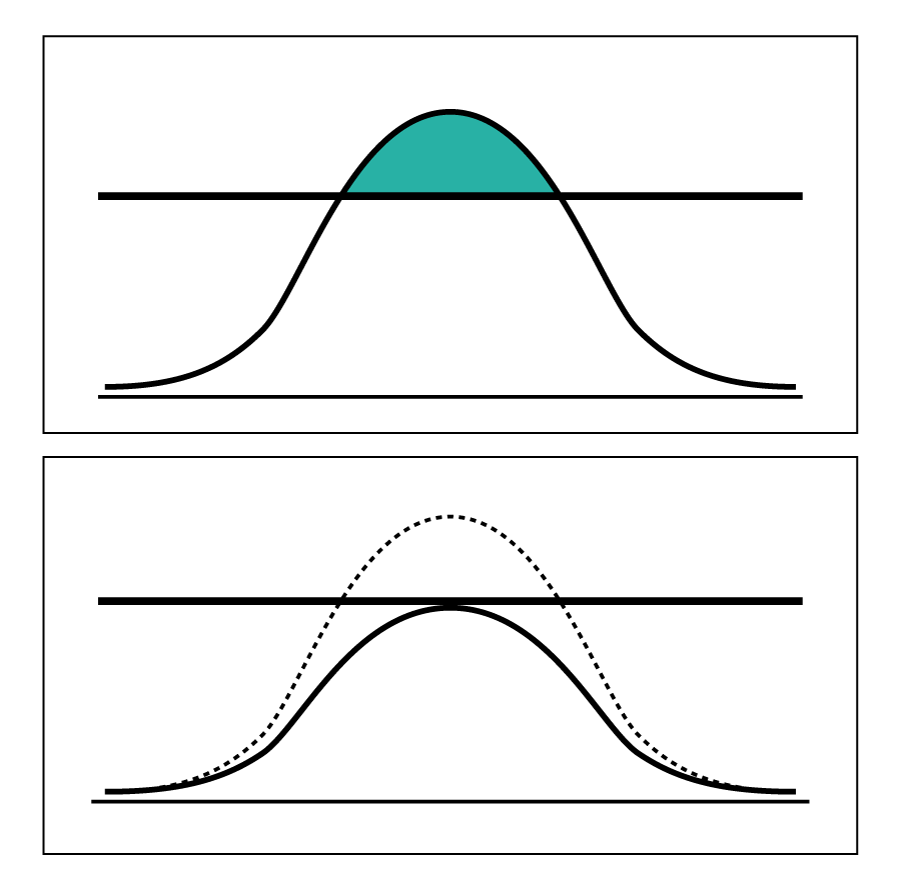
Embue smooths out costly energy spikes.
We deployed Embue's PLM solution at three affordable housing sites, one with 141 units, one with 62 units, and one with 57 units.
The results tell the story clearly in the building with 141 units. Eversource charges $41.33 per kilowatt in monthly demand charges. During our August 2025 demand response event, the building reduced its peak load by an estimated 9–14 kW. Projected across a full year, that translates to $3,400 to $8,100 in annual electricity cost savings, a combination of avoided demand charges every month and demand response payments during the summer cooling season.
And residents didn't feel a thing. Apartment temperatures during the three-hour event rose by less than 1°F on average. After the event, temperatures returned to normal in less than an hour.
The 57-unit building went further, completing both a summer and a winter demand response experiment, proving this isn't just an air conditioning story. Winter demand response is just emerging as a tool to manage winter-time peaks in electricity usage due to the increasing use of heat pumps and electric vehicles.
Why This Matters Beyond the Pilot
A few thousand dollars per year at one building is meaningful. But the real potential is the scale of what's been left on the table.
Massachusetts has approximately 554,000 affordable, workforce, and senior housing units. Most are paying full demand charges with no ability to offset them. None are generating demand response revenue. Embue changes both scenarios - whether the owner is paying utilities or the tenant is.
For operators managing portfolios of affordable housing, the financial case is straightforward: PLM revenue and demand charge savings improve operating income, reduce pressure on resident rents, and make electrification more economically viable, all without adding operational burden on staff.
We recently announced that along with Fraunhofer USA, Embue was awarded an $853K grant from NYSERDA to accelerate the development of next-generation Virtual Power Plant (VPP) capabilities for multifamily.
The Path Forward
Our InnovateMass project proved that his concept worked. We're now bringing these capabilities to customers across the Northeast and beyond, and we recently announced that, along with Fraunhofer USA, Embue was awarded an $853K grant from NYSERDA to accelerate the development of next-generation Virtual Power Plant (VPP) capabilities for multifamily in New York.
For affordable housing operators: the technology is ready, and the financial returns are real. The only question is when you want to start capturing them.
Thank you to MassCEC, Eversource, ABCD, MIT, Rethinking Power Management (RPM) and our partners at 2Life Communities, Maloney Properties, and Schochet for making this project possible.
Robert Cooper is President and CEO of Embue. Learn more at embue.com.